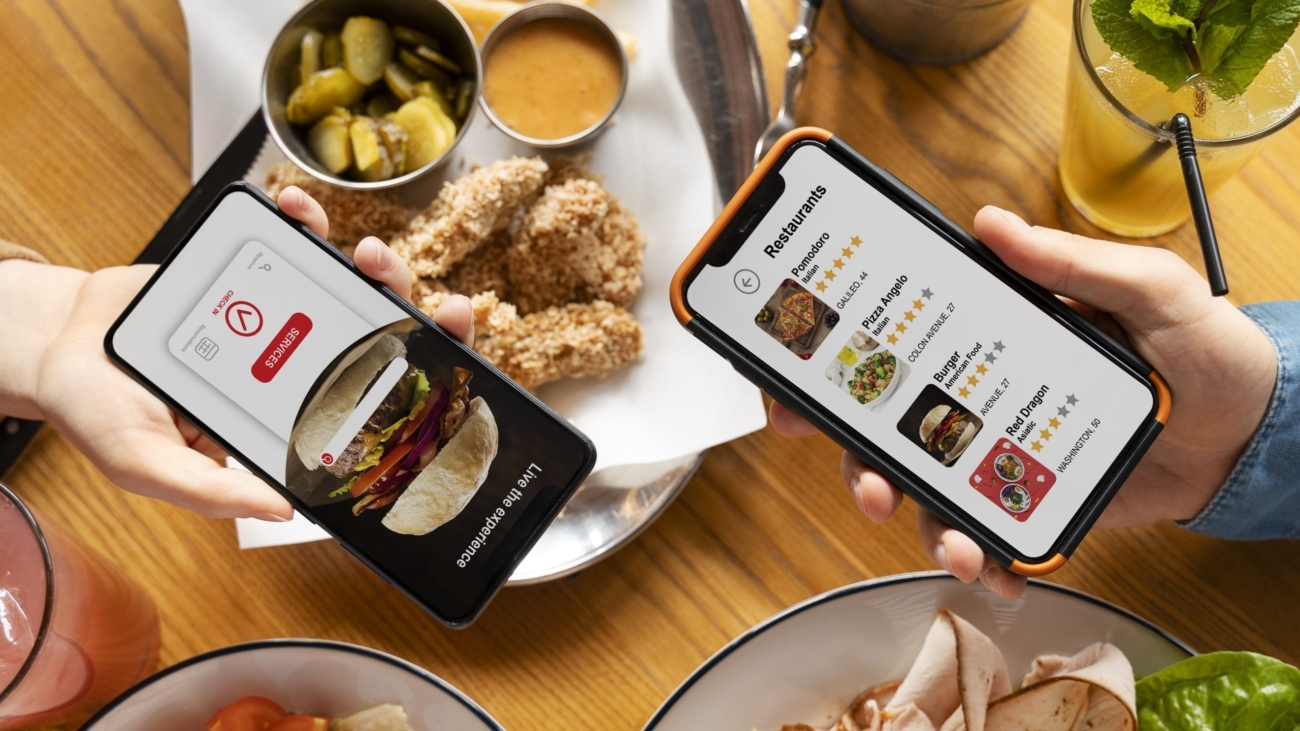
ChatGPT Shopping represents a fundamental shift in how consumers discover and purchase products online. Launched by OpenAI in September 2024, this innovative feature integrates product search, comparison, and purchasing capabilities directly within the ChatGPT interface, eliminating the need to navigate multiple websites or deal with traditional e-commerce friction. With over 700 million weekly ChatGPT users now able to shop through natural conversations, this technology is reshaping the entire landscape of digital commerce.
What Is ChatGPT Shopping?
ChatGPT Shopping is an AI-powered shopping assistant that enables users to discover, compare, and purchase products through conversational interactions within the ChatGPT platform. The feature comprises two core components: Shopping Research and Instant Checkout. Available to all ChatGPT users (Free, Plus, and Pro plans) on both mobile and web platforms, the system transforms traditional product searches into guided, personalized shopping experiences.
Unlike conventional e-commerce platforms that require users to browse categories, filter results, and manually compare products across different websites, ChatGPT Shopping interprets natural language queries and provides curated recommendations in a single, conversational interface. Users can simply type requests like “best running shoes under $100” or “gifts for a ceramics lover,” and the AI assistant generates relevant product suggestions with detailed information, pricing, and reviews.
How ChatGPT Shopping Works
Starting a Shopping Research Session
When users ask ChatGPT a shopping-related question, the system automatically detects purchase intent and suggests launching Shopping Research. Users can also manually select the feature from the tools menu. The AI-powered assistant then scans the web for relevant products, evaluating them based on product names, descriptions, features, reviews, brand authority, and other quality signals.
ChatGPT creates personalized shopping recommendations based solely on the conversation context. Unlike traditional shopping sites that track browsing history across websites, ChatGPT only uses information shared during the chat session. If a user mentions they’re looking for hiking gear for rainy weather, the system remembers this context when suggesting products. When they later specify preferences for lightweight equipment, the AI adjusts recommendations accordingly in real-time.
The Shopping Interface
Product results appear in an organized carousel format featuring images, prices, specifications, and customer reviews. The recommendations are completely organic and unsponsored, ranked purely on relevance to the user’s specific needs rather than paid advertisements. Users receive a comprehensive buyer’s guide with multiple product matches, along with detailed information on their differences, trade-offs, and up-to-date data from reliable retailers.
The interface allows shoppers to refine their selections through a series of questions about budget, purpose, and desired attributes (similar to dropdown menus on traditional shopping sites but delivered through natural conversation). This interactive approach creates a more intuitive and personalized shopping journey compared to static filter-based systems.
Instant Checkout Integration
For products that support Instant Checkout, users can complete purchases without leaving ChatGPT. When they see a “Buy” button on a supported product, the process is remarkably streamlined. Users tap “Buy,” review product details and quantity, verify their shipping address, select their payment method, and complete the transaction (all within the chat interface).
ChatGPT Plus and Pro subscribers can use their card on file for even faster checkout, while other users can add payment details or use express payment options. The entire transaction happens without opening new tabs or navigating to external websites, dramatically reducing the friction that typically leads to cart abandonment in traditional e-commerce.
The Agentic Commerce Protocol
Technical Foundation
The Agentic Commerce Protocol (ACP) is an open standard developed by OpenAI in partnership with Stripe that enables conversational commerce between buyers, AI agents, and merchants. This protocol allows AI agents programmatic access to merchant product feeds, creating seamless purchasing flows within conversational interfaces.
Merchants supply regularly refreshed feeds containing price details, availability, checkout status, rich media, and product reviews. The AI agent can then present this information to users within ChatGPT’s interface while maintaining security and transaction integrity.
Transaction Security
The ACP implements sophisticated security mechanisms to protect user payment information. Rather than sharing full credit card details with merchants, the agent interacts with a Payment Service Provider like Stripe to exchange saved card information for a limited-scope delegate token. This token is restricted by amount, merchant, and expiration date, ensuring maximum security while enabling frictionless transactions.
The typical transaction flow involves several secure steps. When a user expresses purchase intent, the AI assistant maps that intent to the merchant’s catalog through an API. The assistant requests consent and creates a signed permission token. After the user confirms checkout items and shipping details, the assistant submits a signed order request to the merchant’s broker. The broker verifies identity, price, taxes, and inventory before calling internal services and authorizing payment.
Merchant Integration
Any business can implement the ACP specification to participate in agentic commerce. For Instant Checkout integration specifically, merchants need to use Shopify or integrate with Stripe, enable the Agentic Commerce Protocol, and complete OpenAI’s merchant onboarding process.
OpenAI initially partnered with Etsy and Shopify for the U.S. launch, enabling Etsy sellers and over one million Shopify merchants to facilitate transactions within ChatGPT. Major retailers like Walmart and Target have also integrated the platform. Walmart’s collaboration is part of its strategic transition from traditional e-commerce to an AI-centric shopping experience, while Target rolled out a beta app allowing users to buy fresh food, purchase multiple items simultaneously, and choose fulfillment options.
Key Features and Capabilities
Natural Language Product Discovery
ChatGPT Shopping excels at interpreting complex, conversational search queries that traditional search engines struggle with. Users can describe their needs in plain language without worrying about specific keywords or category navigation. The system understands context, intent, and nuanced requirements that might be missed by conventional e-commerce search features.
For example, instead of searching for “laptop 16GB RAM Intel i7 under $1000,” users can simply say “I need a powerful laptop for video editing within my budget”. ChatGPT processes this request, asks clarifying questions about the specific budget, and provides targeted recommendations with complete specifications and reviews.
Real-Time Comparison and Analysis
The Shopping Research feature automatically compares products across multiple dimensions. Users receive detailed information about how different options compare on price, features, quality, customer satisfaction, and value. This eliminates the tedious process of opening multiple tabs and manually comparing product specifications across different retailer websites.
ChatGPT can answer follow-up questions about specific product capabilities, such as “Can this handle video editing?” or “Is this waterproof?”. The AI responds in seconds based on genuine product specifications and customer reviews rather than marketing claims.
Personalized Recommendations
The system builds understanding based on conversational context and user preferences. If enabled, ChatGPT’s memory feature can remember preferences from previous conversations, such as clothing sizes or preferences for eco-friendly products. This contextual understanding allows for increasingly personalized recommendations over time without invasive tracking or third-party cookies.
Multi-Platform Availability
ChatGPT Shopping is accessible across devices and platforms. Users can start a shopping session on mobile and continue on desktop, or vice versa, with conversation history maintained across devices. This flexibility accommodates different shopping behaviors and use cases, whether users are browsing casually on their phones or conducting detailed research on computers.
Benefits for Consumers
Simplified Shopping Experience
ChatGPT Shopping eliminates the overwhelming nature of traditional e-commerce. Instead of being bombarded with hundreds of search results and countless filtering options, users receive curated recommendations tailored to their specific needs. The conversational interface reduces decision fatigue by presenting only the most relevant options with clear explanations of differences and trade-offs.
The feature transforms shopping from a task-oriented activity into a guided conversation. Users can ask questions, express concerns, and receive immediate, contextual responses that help them make informed decisions.
Time Efficiency
The time from product discovery to purchase completion shows dramatic improvements compared to traditional e-commerce. Traditional online shopping averages 4.2 days from initial research through comparison, potential cart abandonment, and final purchase. ChatGPT Shopping reduces this to an average of 8 minutes (a 99.9% faster purchase cycle).
This efficiency comes from eliminating the need to visit multiple websites, manually compare products, read through numerous reviews, and navigate complex checkout processes. Everything happens within a single, streamlined conversation.
Ad-Free Discovery
Product recommendations in ChatGPT Shopping are completely organic and unbiased. Unlike traditional search engines and marketplaces where paid advertisements dominate results, ChatGPT ranks products purely on relevance to user needs. Users receive helpful recommendations rather than sales-driven pitches, creating a more trustworthy shopping experience.
Better Purchase Decisions
The detailed comparison and explanation capabilities help users make more informed decisions. ChatGPT provides comprehensive product information, explains technical specifications in accessible language, and highlights relevant trade-offs between options. This leads to higher post-purchase satisfaction as users feel confident they’ve chosen products that truly match their needs.
Return rates with ChatGPT Shopping are significantly lower than traditional e-commerce (6.8% compared to 15.3%). This 56% reduction in returns results from better product understanding, accurate recommendations, clear expectation management, and detailed size and fit guidance.
Benefits for Merchants
Access to High-Intent Shoppers
When merchants appear in ChatGPT Shopping results, they’re reaching consumers who have already expressed clear purchase intent. Unlike traditional advertising where businesses interrupt users with promotional content, ChatGPT connects products with shoppers actively searching for solutions. This intent-based discovery creates dramatically higher conversion rates.
Exceptional Conversion Rates
The conversion rate difference between ChatGPT Shopping and traditional e-commerce is striking. Traditional online stores average a 2.3% conversion rate. ChatGPT Instant Checkout achieves a 43.7% average conversion rate (19 times higher).
This improvement is driven by multiple factors. Users engaging with products in ChatGPT have already expressed purchase intent through their questions. Products are recommended based on specific needs rather than browsing behavior. The friction-free checkout eliminates cart abandonment, and ChatGPT’s recommendations are perceived as helpful rather than sales-driven.
Higher Average Order Values
ChatGPT Shopping customers not only convert more frequently but also spend more per transaction. Traditional e-commerce sees an $87 average order value, while ChatGPT Instant Checkout achieves $156 (a 79% increase).
This higher spending results from better product matching that directs customers to exactly what they need, often at higher price points. Intelligent AI-suggested complementary products make sense together rather than appearing as random upsells. The value-based selling approach focuses on solving problems rather than finding the cheapest option, and personalized, helpful recommendations make price less of a barrier.
Dramatically Lower Customer Acquisition Costs
ChatGPT Shopping offers merchants one of the most compelling advantages in customer acquisition efficiency. Traditional e-commerce averages a $47 customer acquisition cost. ChatGPT Instant Checkout reduces this to just $8 (an 83% decrease).
This dramatic reduction comes from organic discovery through natural conversations rather than paid advertising. Merchants gain access to 700+ million weekly users without individual marketing spend. Word-of-mouth effects drive organic growth as users share positive experiences, and recommendations feel helpful rather than intrusive, avoiding ad fatigue.
Increased Visibility Without Advertising Costs
Merchants can appear in ChatGPT Shopping results without paying for advertising. Any merchant whose website allows crawling by OpenAI’s bot (OAI-SearchBot) can potentially appear in Shopping Research results. Recommendations are based on relevance and quality rather than advertising budgets, creating opportunities for smaller merchants to compete with larger brands on merit.
Maintaining Customer Relationships
Unlike traditional marketplaces that own the customer relationship, the Agentic Commerce Protocol allows merchants to maintain control over customer data, personalization, and fraud controls. Merchants keep their existing order management and payment systems while gaining access to a new sales channel. This means businesses can build long-term customer relationships rather than simply fulfilling one-time transactions.
How to Get Products Featured in ChatGPT Shopping
Ensure Crawlability
Any merchant can appear in ChatGPT Shopping Research results if their website allows crawling by OpenAI’s search bot. Merchants should verify that their robots.txt file and meta tags permit access to OAI-SearchBot. Blocking this bot will prevent products from appearing in ChatGPT recommendations.
Optimize Product Information
ChatGPT selects products based on relevance signals including product names, descriptions, features, reviews, and brand authority. Merchants should ensure their product pages contain comprehensive, accurate information with clear titles, detailed descriptions, complete specifications, and authentic customer reviews.
Structured data markup helps AI systems understand product information. Implementing proper schema for products, prices, availability, and reviews improves the likelihood of appearing in relevant ChatGPT searches.
Enable Instant Checkout
For merchants wanting to offer the complete in-chat purchasing experience, integrating Instant Checkout provides significant advantages. When multiple merchants sell the same product, ChatGPT considers several factors for ranking, including availability, price, quality, whether the merchant is the primary seller, and crucially, whether Instant Checkout is enabled.
Merchants using Shopify can enable the feature through their existing platform. Those using other e-commerce systems need to integrate with Stripe and implement the Agentic Commerce Protocol. Once enabled, products become eligible for the “Buy” button that allows instant purchases within ChatGPT.
Maintain Fresh Product Feeds
Merchants participating in Instant Checkout should provide regularly updated product feeds with current pricing, availability, checkout status, rich media, and customer reviews. These feeds ensure ChatGPT presents accurate, real-time information to shoppers.
ChatGPT Shopping vs. Traditional E-Commerce
Discovery Methodology
Traditional e-commerce relies on category browsing, keyword searches, and filter-based navigation. Users must know what they’re looking for and use the right terminology to find it. ChatGPT Shopping enables natural language discovery where users describe needs in their own words and receive guided recommendations.
Conversion Process
Traditional online shopping involves multiple steps across different pages: search, product page, cart, checkout, and payment confirmation. Each transition represents an opportunity for abandonment. ChatGPT Shopping consolidates the entire process into a single conversational flow, eliminating friction points and dramatically improving completion rates.
Recommendation Quality
Traditional e-commerce recommendations are typically based on browsing history, past purchases, and what other customers bought. These recommendations can feel random or intrusive. ChatGPT generates recommendations based on explicitly stated needs and preferences within the conversation, creating a more relevant and helpful experience.
Customer Experience
Traditional e-commerce users report 4.1 out of 5 average satisfaction. ChatGPT Instant Checkout achieves 4.7 out of 5 (a 15% improvement). This higher satisfaction comes from the personalized experience where each interaction feels tailored to individual needs, reduced decision fatigue through curated recommendations, instant gratification from the quick purchase process, and post-purchase confidence from informed decisions.
The Future of ChatGPT Shopping
Expanding Capabilities
OpenAI has indicated several planned enhancements to the shopping experience. Currently, Instant Checkout supports single-item purchases, but multi-item carts are coming soon. Geographic expansion beyond the initial U.S. launch will bring the feature to international markets. Additional merchant partnerships will increase product availability and category coverage.
Target has announced plans to integrate Target Circle accounts and offer same-day delivery options, demonstrating how major retailers are expanding their ChatGPT Shopping implementations with loyalty programs and fulfillment features.
Integration with Other AI Agents
The Agentic Commerce Protocol is designed as an open standard that any AI platform can implement. While OpenAI is the first to launch with ChatGPT, the protocol enables any AI agent to facilitate commerce transactions. This could lead to shopping capabilities across multiple AI assistants, voice interfaces, and smart devices.
Marketplace Evolution
ChatGPT is evolving beyond a conversational assistant into a legitimate sales channel. Retailers are beginning to manage their ChatGPT presence like any marketplace, connecting product feeds to inventory systems and optimizing listings for AI discovery. This shift represents a fundamental change in the e-commerce ecosystem where conversational AI becomes a primary shopping destination rather than just a research tool.
Impact on Traditional SEO
The emergence of ChatGPT Shopping is changing how businesses approach search optimization. Traditional SEO focused on ranking in Google search results. Now, merchants must also consider AI optimization (ensuring their products appear in ChatGPT recommendations). This includes structured data implementation, comprehensive product information, authentic reviews, and technical compatibility with AI crawlers.
Challenges and Considerations
Product Discovery Limitations
While ChatGPT excels at helping users who know what type of product they need, it may be less effective for pure browsing and serendipitous discovery. Traditional e-commerce interfaces allow users to casually explore categories and stumble upon products they didn’t know they wanted. The conversational model requires more directed intent.
Merchant Adoption
For the full Instant Checkout experience to reach its potential, widespread merchant adoption is necessary. While major platforms like Shopify and Etsy are integrated, many independent merchants and smaller e-commerce platforms have yet to implement the Agentic Commerce Protocol. This creates an uneven playing field where some products can be purchased instantly while others require external website navigation.
Data and Privacy Concerns
As with any AI-powered service, questions about data usage and privacy persist. While ChatGPT claims to base recommendations solely on conversation context rather than cross-site tracking, users should understand what information is shared with merchants during transactions and how their shopping history might be used.
Dependency on AI Accuracy
ChatGPT Shopping’s effectiveness depends on the AI’s ability to accurately interpret user needs and match them with appropriate products. Misunderstandings or misinterpretations could lead to irrelevant recommendations. The system’s reliance on web data also means it can only recommend products that are properly indexed and described online.
Conclusion
ChatGPT Shopping represents a transformative shift in digital commerce, combining conversational AI with seamless purchasing capabilities to create an entirely new shopping experience. By eliminating traditional e-commerce friction, providing personalized recommendations, and enabling instant checkout, the platform delivers significant benefits for both consumers and merchants.
For consumers, ChatGPT Shopping offers simplified product discovery, dramatic time savings, unbiased recommendations, and better purchase decisions with lower return rates. For merchants, the platform provides access to high-intent shoppers, exceptional conversion rates, higher order values, and dramatically lower customer acquisition costs.
As the Agentic Commerce Protocol expands and more merchants integrate their catalogs, ChatGPT Shopping is positioned to become a major e-commerce channel alongside traditional marketplaces and direct-to-consumer websites. The technology demonstrates how AI can fundamentally reimagine established industries, turning conversational interfaces into powerful commercial platforms.
Whether ChatGPT Shopping will ultimately replace or complement traditional e-commerce remains to be seen, but its early metrics suggest it’s creating a compelling alternative that addresses many of the pain points consumers and merchants have experienced with conventional online shopping. As AI technology continues advancing and adoption grows, conversational commerce may well become the dominant paradigm for how we discover and purchase products in the digital age.